Charting Verification Protocol Shifts and Their Sway Over Exclusive Reel Event Access Windows in Regulated Networks
Amir Brooks · Sep 22, 2026
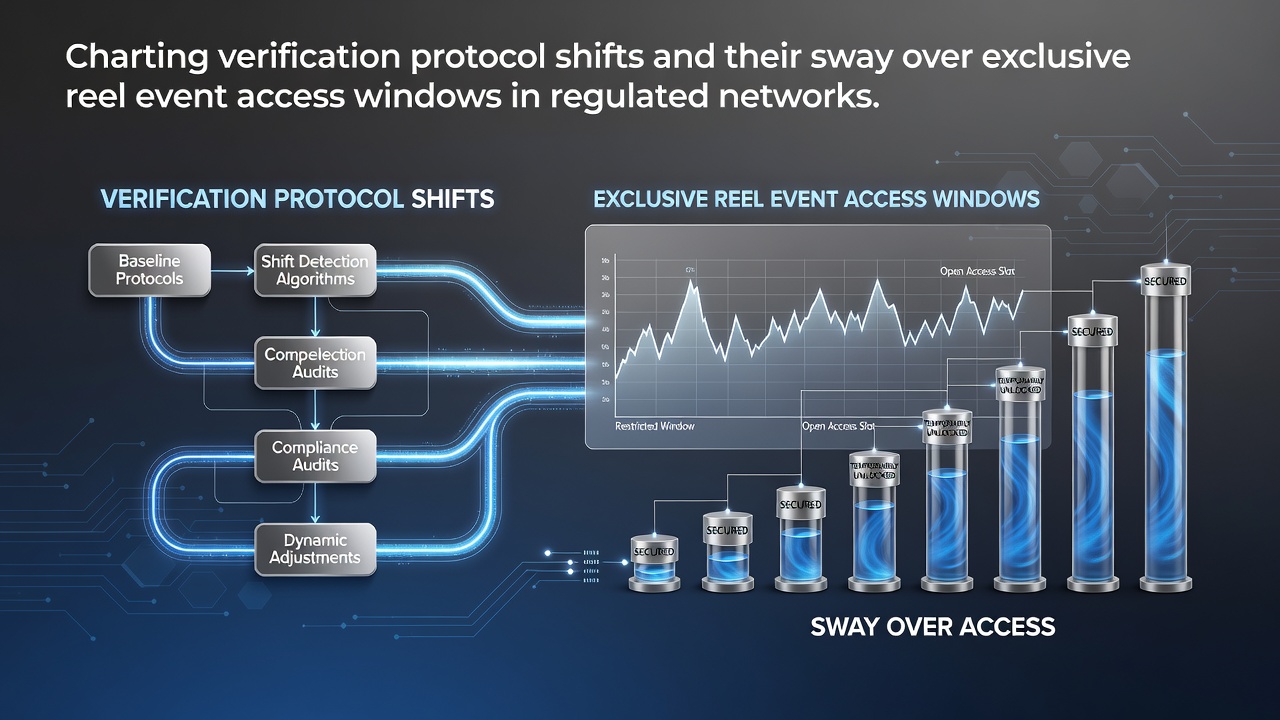
Charting Verification Protocol Shifts and Their Sway Over Exclusive Reel Event Access Windows in Regulated Networks
Verification protocol shifts in regulated gambling networks have altered how operators manage entry to time-limited reel events, and data from multiple jurisdictions shows these adjustments directly influence participation windows. Operators track changes in identity checks, document validation, and automated screening systems because each modification can extend or restrict the periods during which players qualify for exclusive slot tournaments. Regulatory bodies in different regions continue to update standards, and operators respond by recalibrating access timelines to maintain compliance while preserving event availability.
Protocol Evolution Across Regulated Markets
Traditional verification relied on manual document uploads and basic database cross-checks, yet newer systems incorporate biometric matching, device fingerprinting, and real-time risk scoring that process approvals within seconds rather than hours. These upgrades emerged after several jurisdictions revised anti-money laundering rules, and operators implemented layered checks that verify identity before granting entry to limited-time competitions. In the United States, state-level regulators have required enhanced screening for online platforms, while similar requirements in Canada and parts of Europe prompted operators to integrate digital identity wallets that streamline repeated logins for recurring events.
Shifts toward continuous monitoring rather than one-time approvals mean players may face re-verification mid-session, and this practice can shrink available access windows for exclusive reel tournaments. Research from industry reports indicates that platforms adopting these protocols experienced measurable changes in registration completion rates during peak promotional periods, particularly when events run for only 48 to 72 hours.
Impact on Access Windows for Exclusive Events
Exclusive reel events often operate on narrow eligibility periods tied to promotional calendars, and verification delays directly reduce the effective time players have to join. When protocols require additional data points such as address confirmation through third-party services or facial recognition scans, the time from account creation to event entry lengthens, and some participants miss entry deadlines. Operators have responded by offering pre-event verification windows that open days ahead of tournaments, allowing approved users immediate access once the competition begins.
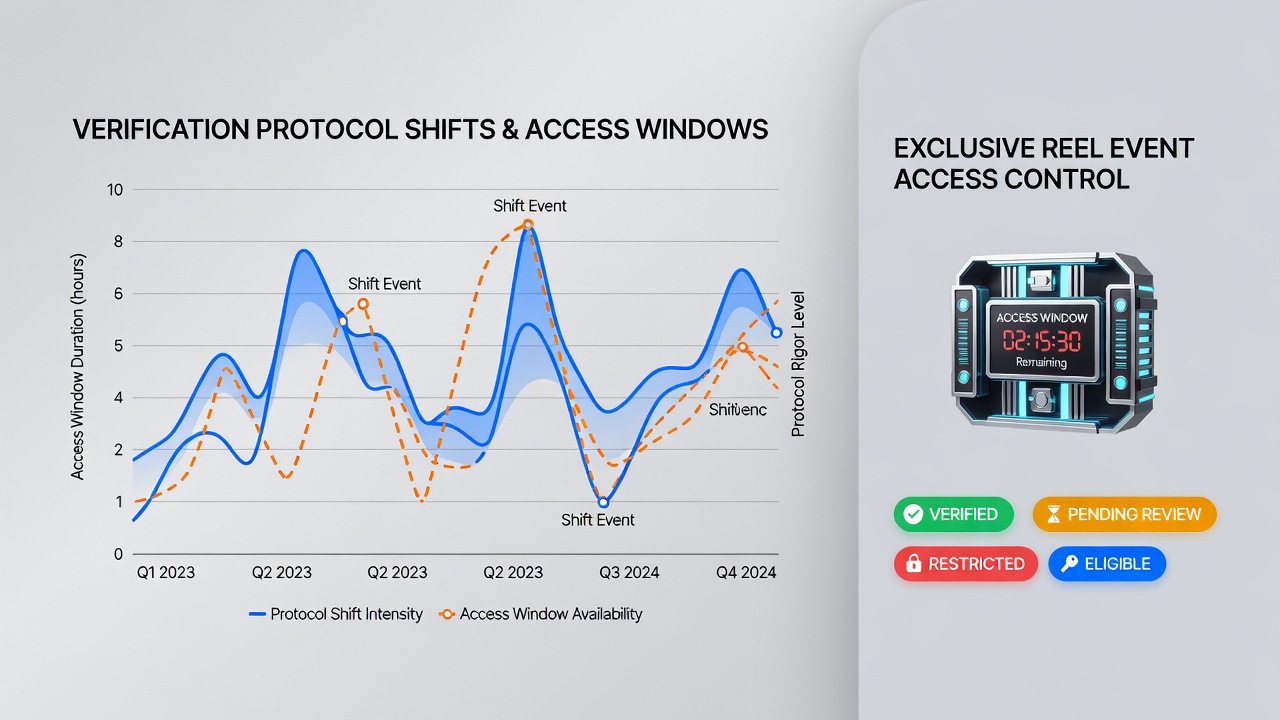
Those tracking participation metrics across regulated networks report that stricter initial checks correlate with higher retention among verified users once events start, whereas faster but less robust methods sometimes lead to mid-event disqualifications. In September 2026 several platforms rolled out updated risk-based verification tiers that adjust scrutiny according to transaction volume, and early figures reveal these tiers expanded access windows for low-risk accounts while tightening requirements for higher-volume players. This differentiation allows operators to balance regulatory compliance with broader event participation.
Regional Variations in Implementation
North American markets have emphasized integration with state-run databases for real-time address and identity matching, whereas Australian regulators have focused on mandatory cooling-off periods between verification steps. These differences create distinct access patterns, and players navigating cross-border platforms encounter varying entry requirements depending on the licensing jurisdiction. Industry groups such as the American Gaming Association have published summaries of how operators align verification workflows with event scheduling, and those summaries show that standardized APIs reduced average approval times by measurable percentages in compliant networks.
European operators outside the United Kingdom have adopted similar frameworks through national licensing authorities, and data collected by research institutions indicates that unified verification standards across certain member states extended consistent access windows for multi-jurisdiction reel events. Operators note that players who complete verification once can often carry approvals across linked events, provided the underlying protocol remains stable within the regulatory cycle.
Technology Driving Further Adjustments
Blockchain-based verification pilots and decentralized identity solutions continue testing in select regulated environments, and these approaches promise to shorten approval intervals while maintaining audit trails required by oversight bodies. Early deployments show reduced friction during event registration, yet operators still maintain fallback manual review processes for edge cases flagged by automated systems. The Alcohol and Gaming Commission of Ontario has referenced ongoing evaluations of such technologies in its compliance guidance, and platforms operating under its oversight have adjusted access windows accordingly to accommodate testing periods.
Academic studies examining user behavior in digital entertainment environments further illustrate how verification speed influences participation rates in time-bound activities, and these findings help operators predict optimal scheduling for exclusive reel competitions. Networks that synchronize verification updates with event calendars maintain steadier attendance figures, while those implementing changes mid-cycle sometimes observe temporary dips in qualified entries.
Conclusion
Verification protocol shifts continue reshaping the structure of exclusive reel event access windows across regulated networks, and operators track these developments through internal metrics and external regulatory updates. The integration of faster, more layered checks has produced both expanded opportunities for pre-approved participants and narrower windows for those requiring additional screening. As jurisdictions refine their requirements through 2026 and beyond, platforms adjust scheduling and pre-verification processes to align with compliance standards while preserving event accessibility for eligible users.