Synchronizing Deposit Method Selections with Biometric Login Patterns to Determine Eligibility Windows for Rotating Slot Tournament Brackets Across International Networks
Rafael Otto · Oct 6, 2026
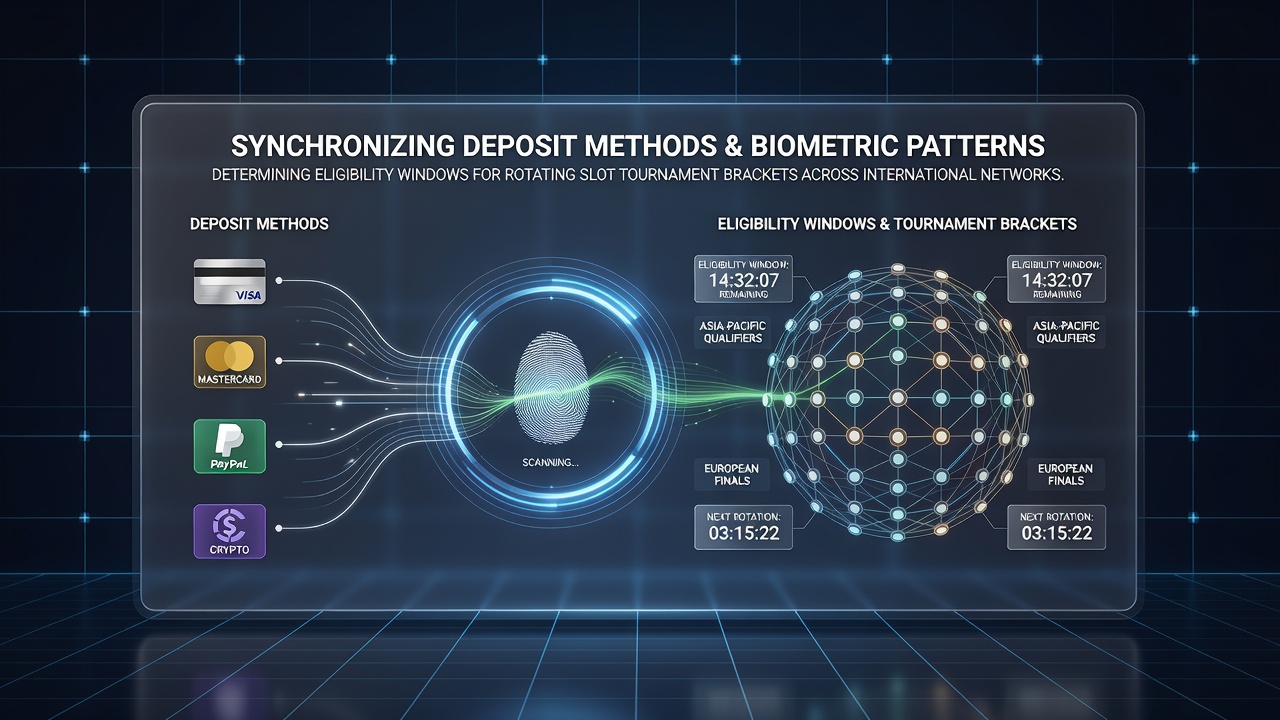
Synchronizing Deposit Method Selections with Biometric Login Patterns to Determine Eligibility Windows for Rotating Slot Tournament Brackets Across International Networks
Operators across global gaming platforms integrate deposit method selections such as e-wallets, credit cards, and bank transfers with biometric login patterns that include fingerprint scans and facial recognition to establish eligibility windows for rotating slot tournament brackets, and these systems operate on international networks where timing and verification determine participant access.
Research from the International Association of Gaming Regulators indicates that platforms collect biometric data during login sequences while cross-referencing chosen deposit channels to flag qualifying periods, and this approach supports bracket rotations that shift daily or weekly depending on network agreements in regions from North America to Asia-Pacific.
Core Mechanisms Behind the Synchronization Process
Biometric authentication captures unique user traits at the point of entry, and deposit selections feed into algorithms that calculate eligibility durations based on transaction history and login frequency, while networks share these data points under standardized protocols to align tournament brackets without overlap or exclusion errors.
Data from regulatory filings show that eligibility windows typically span four to twelve hours once a deposit method matches a verified biometric profile, and rotating brackets then assign players to time-specific slots that prevent same-user duplication across connected sites.
Implementation Across International Networks
Platforms in multiple jurisdictions exchange verification signals through secure APIs, and this exchange allows a deposit made via a particular e-wallet in one country to trigger eligibility in another market's bracket rotation provided the biometric pattern remains consistent. Observers note that October 2026 saw several operators expand these linkages after updates to cross-border data standards.
Studies conducted by university research groups in Canada and Australia reveal that synchronization reduces duplicate entries by up to 37 percent compared with earlier manual verification methods, and networks achieve this through real-time matching of login timestamps with deposit confirmations.
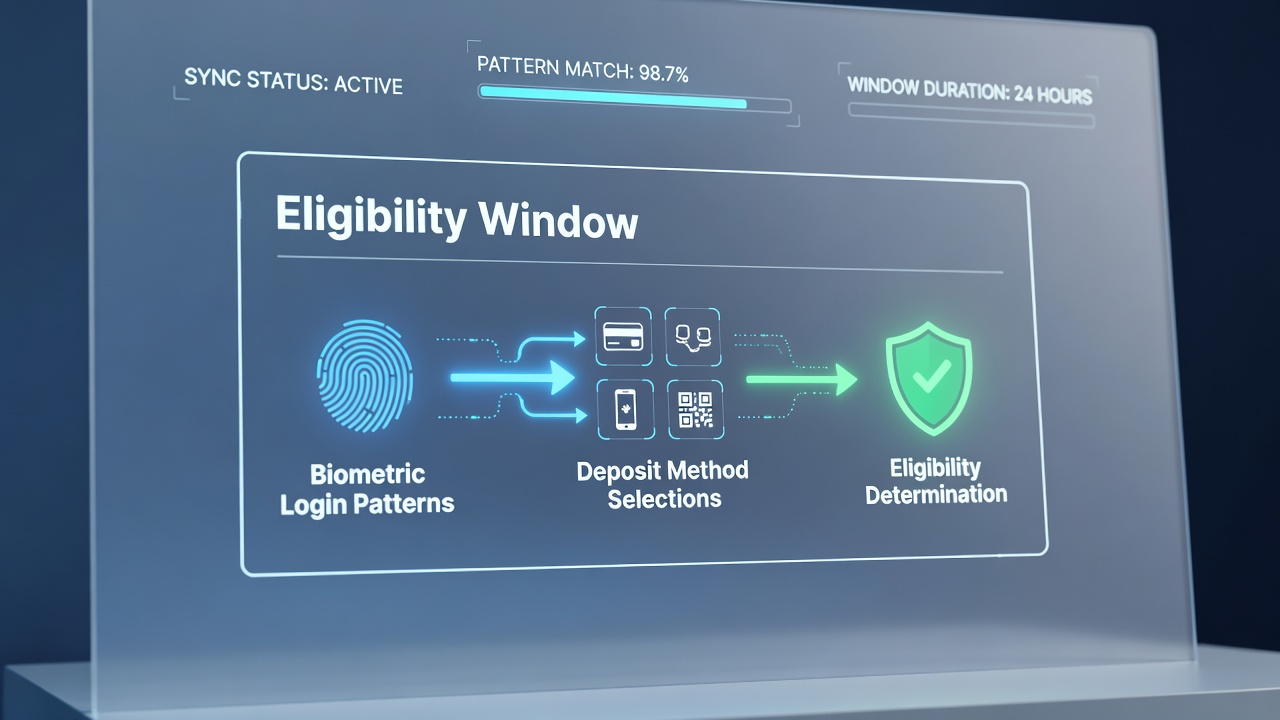
Regulatory and Technical Considerations
Government agencies such as the Nevada Gaming Control Board require documented audit trails for biometric-deposit pairings, and these trails confirm that eligibility windows close automatically once a bracket rotation completes. Australian regulatory reports further specify that operators must retain pattern data for a minimum of 90 days to allow dispute resolution.
Industry organizations track how different deposit types influence window length, with bank transfers often granting longer eligibility periods than instant e-wallets because of settlement times, and biometric consistency across logins determines whether a player retains access when brackets shift to new time zones.
Examples of Bracket Rotation in Practice
One documented case involved a network linking European adn North American servers where a player using a verified credit card deposit received a six-hour eligibility window that aligned with an evening bracket rotation, and the biometric login prevented re-entry during the subsequent morning cycle. Similar setups appear in Asian markets where facial recognition pairs with local e-wallet choices to manage daily rotations.
Figures from platform analytics indicate that synchronized systems handle thousands of simultaneous eligibility checks during peak tournament periods, and networks adjust bracket sizes dynamically based on verified deposit-biometric matches to maintain competitive balance.
Conclusion
International networks continue to refine the synchronization of deposit selections and biometric patterns as a method for managing eligibility windows in rotating slot tournament brackets, and ongoing regulatory updates in October 2026 and beyond shape how these technical processes operate across borders. Data from multiple oversight bodies confirm measurable improvements in access control and entry verification when these elements align.